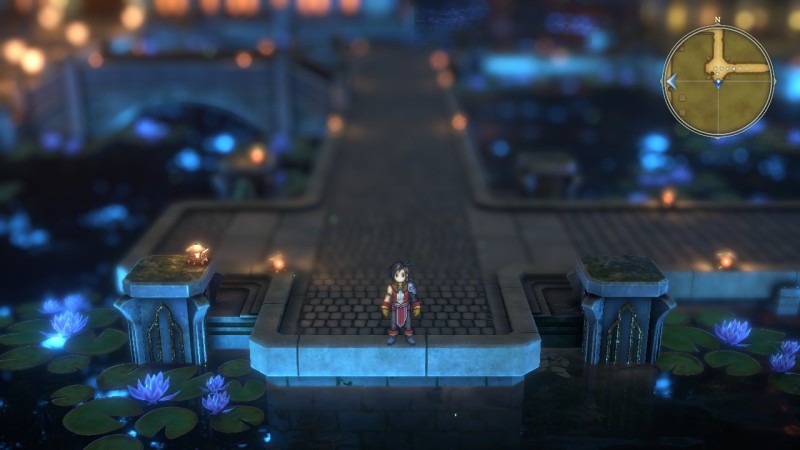
A Suikoden Spirit
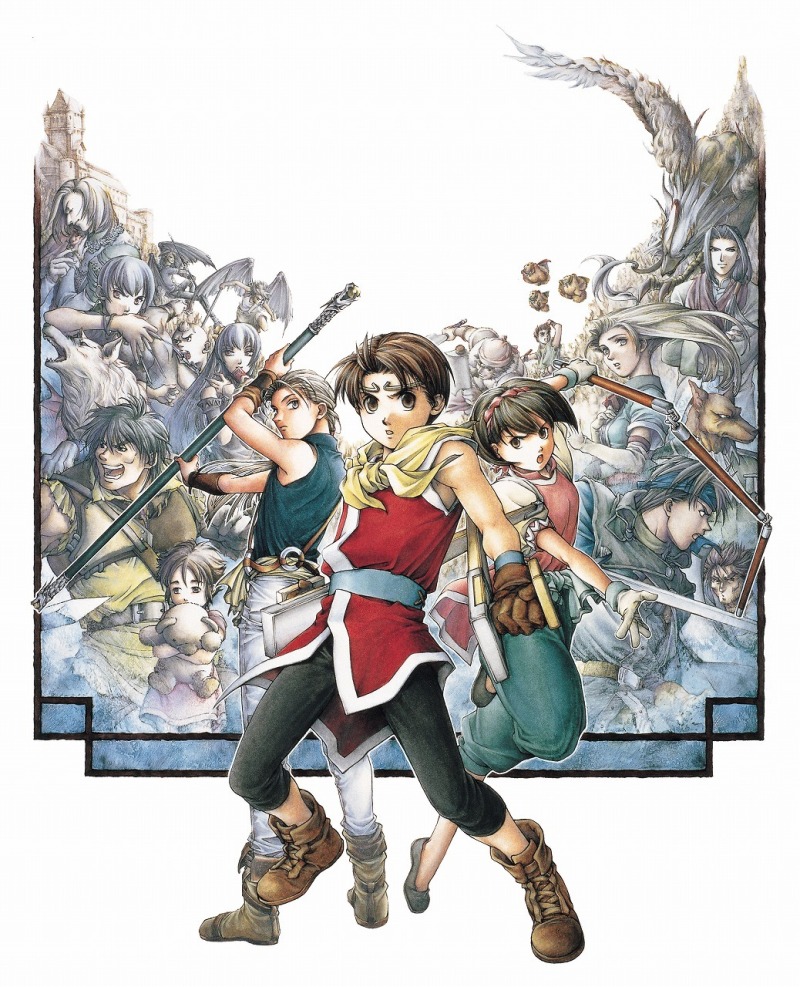
My soft spot for Chinese classics like Water Margin is exactly why Yoshitaka Murayama’s Suikoden struck me so hard back in the day. It took a Western fantasy wrapper and rebuilt that “108 heroes” myth into something fresh. A noble-born protagonist, a rebellion against tyranny, and a massive cast of allies made it feel like an epic with real heart.
Suikoden II deepened that identity just as 3D was taking over in 1998, and it remains the high point for many fans. After Murayama left Konami during Suikoden III, the series drifted, and by 2012’s uneven Suikoden: Tsumugareshi Hyakunen no Toki, it faded away. So when Eiyuden Chronicle launched a Kickstarter in 2020, it blew past its goal in under four hours for a reason.
With the prequel Eiyuden Chronicle: Rising already laying groundwork, the main game finally arrives on April 23. After spending serious time with it, I can say this really is the reunion old fans have been waiting for.
Two Protagonists, One War
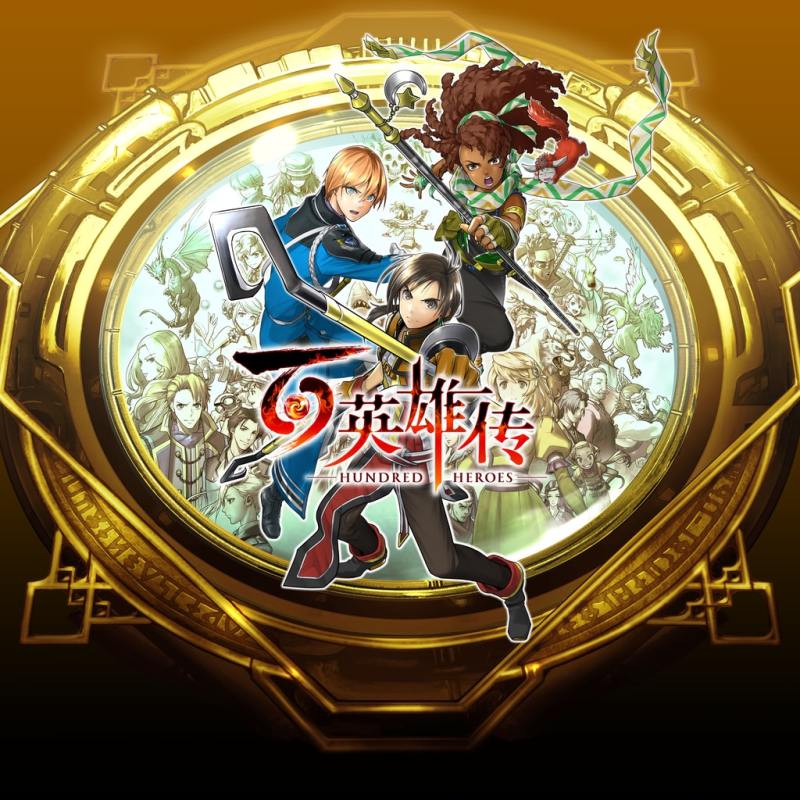
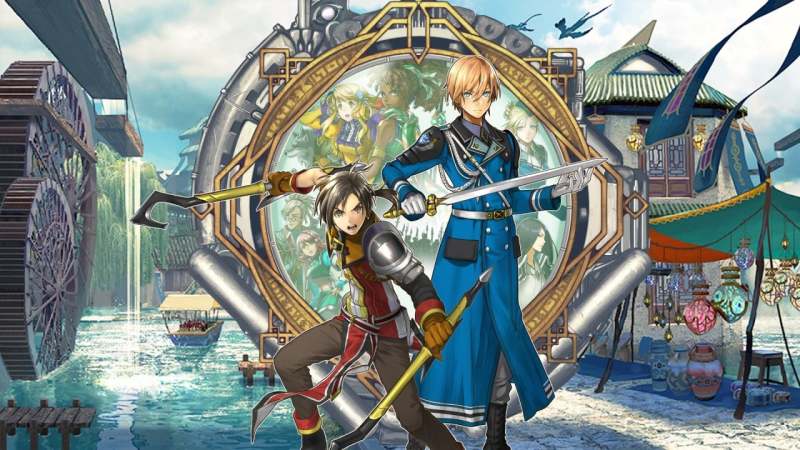
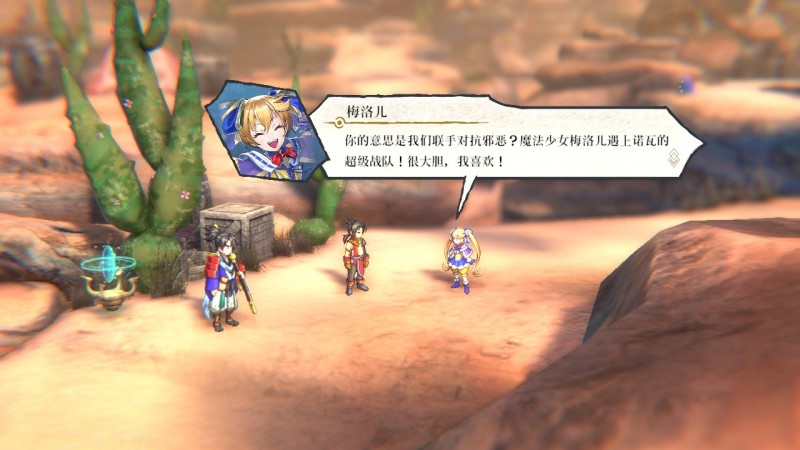
The story starts with Nowa, a guard who befriends Imperial officer Seign during a relic investigation. The Empire uncovers a magical lens and chooses conquest over restraint. Duke Aldric pushes an invasion, Nowa’s hometown is burned, and the guard unit is framed. The friendship collapses, and the two become enemies.
Nowa escapes with the help of Countess Perrielle and eventually builds a resistance base in the ruins, a modern take on the “Liangshan” refuge. As he travels, he gathers allies and forms a coalition across nations.
Midway through, the game shifts to Seign’s perspective. He witnesses the Empire’s cruelty, questions his loyalty, and goes underground to uncover Aldric’s true plans. The two threads weave together into a classic ensemble drama about power, friendship, and duty.
Recruiting Heroes
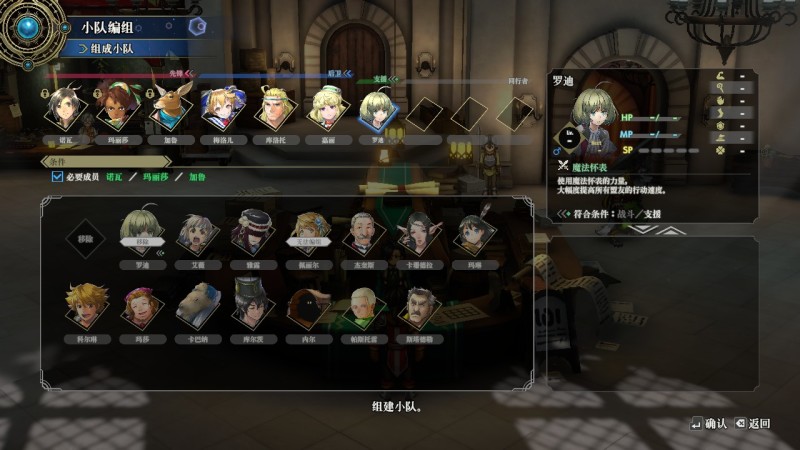
The 100-plus companions are the game’s lifeblood. You can customize your party freely, but not all characters are fighters. Support members fill a separate slot and grant unique effects: a hostess who lets you reorganize in the field, a farmer who boosts food yields, or a chronologist who speeds up all allies with a magical timepiece.
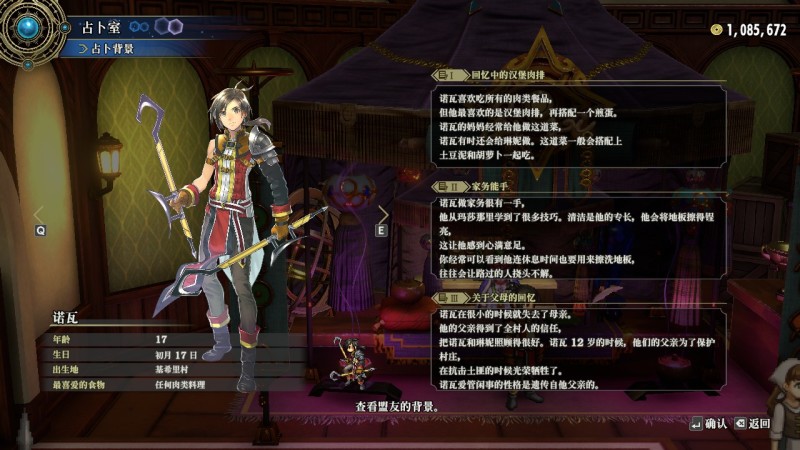
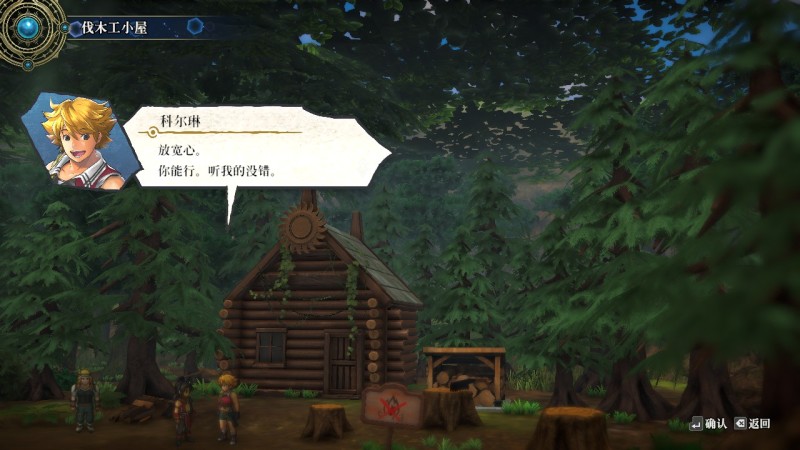
Character stories unfold in stages. Early on, Nowa is just the guy who loves meat dishes and his mom’s hamburger steak. Later, you learn he picked up domestic skills from Martha and takes pride in keeping floors spotless. By the time his family memories unlock, his do-gooder nature feels earned rather than generic. Those small vignettes make even minor recruits feel distinct.
Recruitment is a mini adventure in itself. The fortune-telling room gives vague clues like “someone is on that mountain,” so you explore and solve small puzzles to find the right spot. Then the recruit usually demands a favor: catch a rare fish, win a duel, or clear a challenge. It keeps the pace lively.
I do want to call out the Chinese localization though. Like in Rising, it reads like a raw, unpolished translation. It doesn’t ruin the game, but it does break immersion.
Building the Resistance
Once you have enough allies, the headquarters really opens up. You start with basic resource facilities like farms, lumber mills, quarries, and hunting lodges, and then you expand the town via the cartography studio. Construction costs resources and money, and each building needs a specialist to operate it.
As the HQ levels up, the ruined base turns into a bustling city. The castle goes from broken stone to gold-trimmed halls. It gives you that satisfying sense of building momentum.
The shops tie everything together: merchants bring in funds, appraisers identify treasures, blacksmiths upgrade weapons, armor and accessory shops fill out your builds, rune shops unlock new skills, and the bag shop expands inventory space. Collecting, building, leveling, and exploring feed each other, which is exactly what I wanted from a spiritual successor.
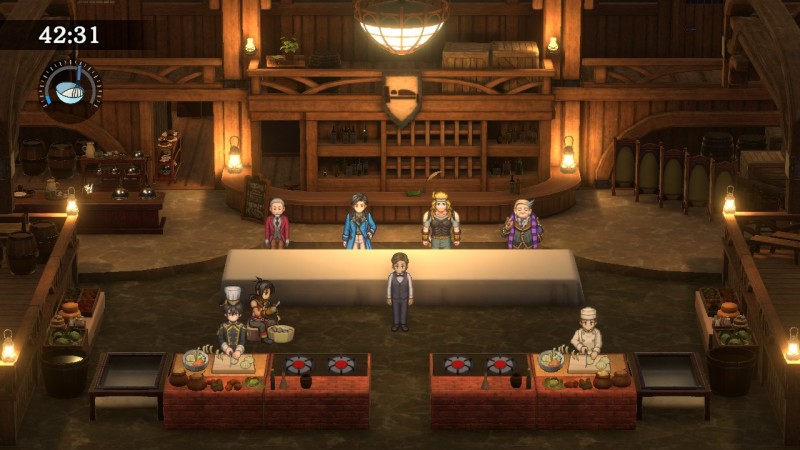
Mini-games like cooking battles and fully 3D sand-ship races add a fun change of pace too.
Dungeons and Battles
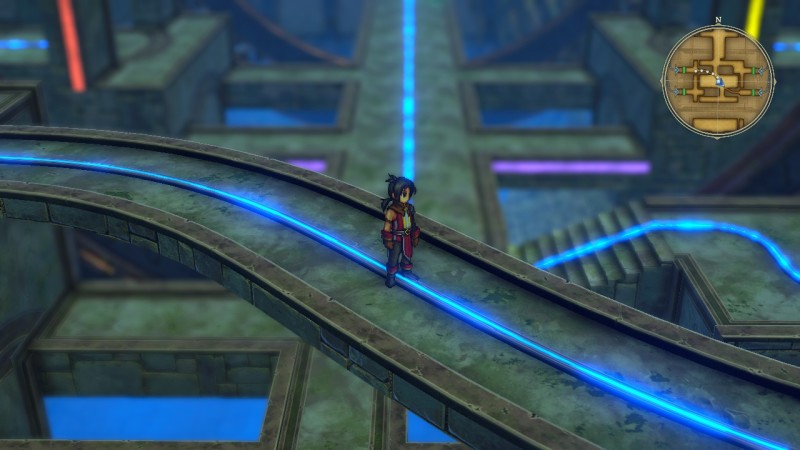
Murayama’s love for old-school dungeon design is clear. These are real mazes with loops, switches, and hidden treasure, not simple corridors or open-world spaces. You backtrack, flip levers, and plan supply runs because save points are limited.
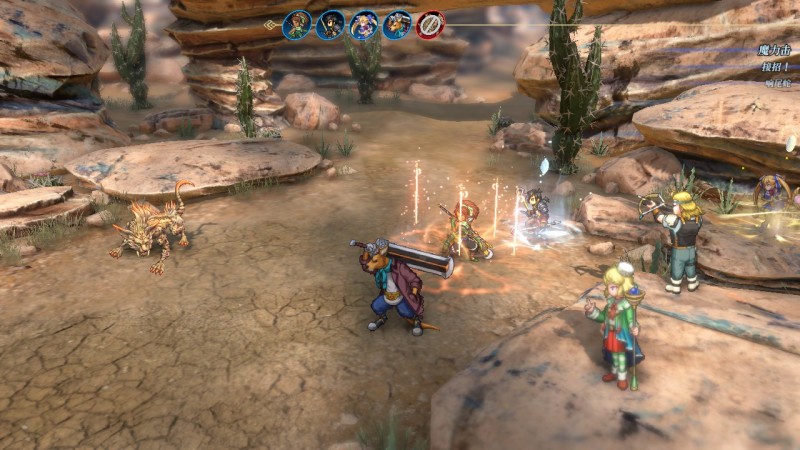
Combat uses a six-person formation with three frontliners and three backliners. Attack ranges and defenses matter, and if a frontliner drops, a backliner is forced forward. Enemy damage is high enough that sloppy setups get punished.
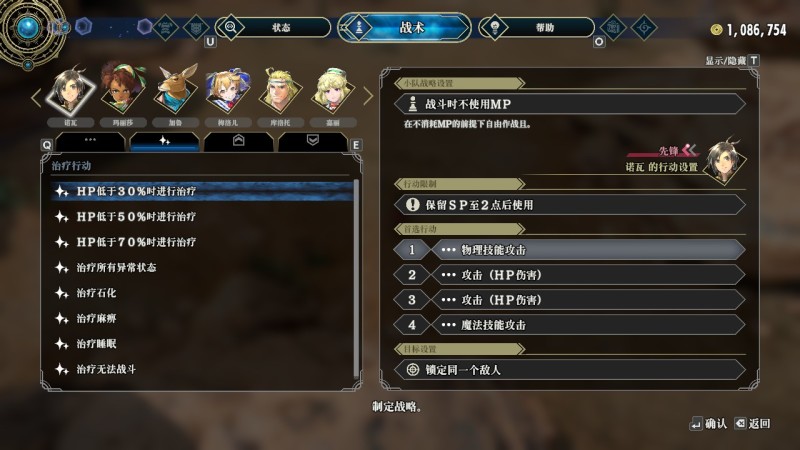
The tactics system is a smart compromise for players who use auto-battle. You can set action limits, priority actions, and target rules. Once you dial it in for a dungeon’s enemy mix, even bosses are manageable without manual input.
I also love the presentation. The camera cuts between acting characters instead of cycling stiffly. Character skills are flashy, and hero combos return with personality once bonds are high enough.
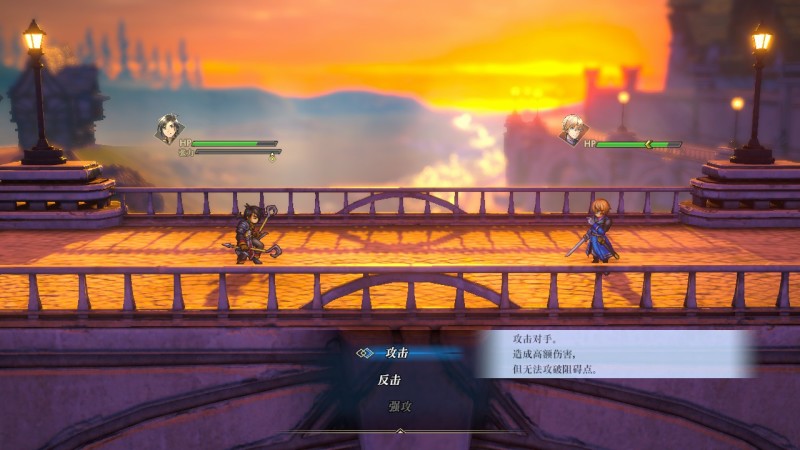
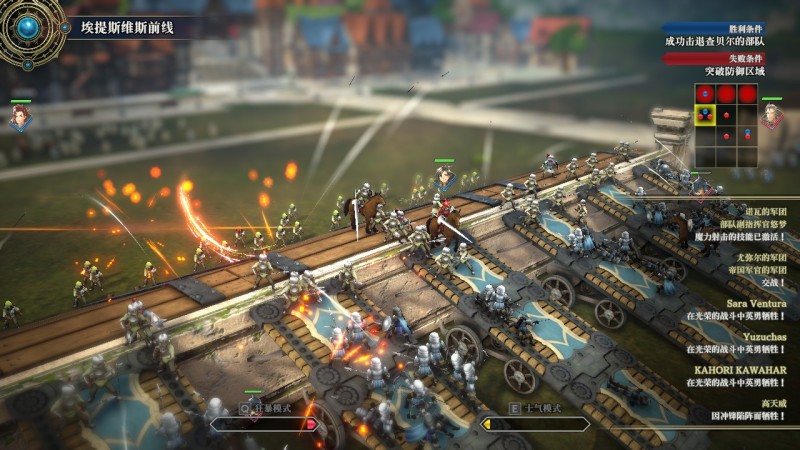
The duel system and army battles are back, too. Duels rely on building a meter for a guaranteed hit, while large-scale battles emphasize tactical counters and individual battlefield skills. The overall pacing is slower than many modern RPGs, but for me that’s a feature, not a flaw.
Final Thoughts
To me, Eiyuden Chronicle is not just a Suikoden tribute, it’s the sequel Murayama always wanted to make. The 2D sprites layered over 3D backgrounds, the deliberate dungeon crawling, and the deep cast all feel like a love letter to a specific era of JRPG design.
If you grew up with Suikoden, this is a rare kind of closure. It arrives late, but it lands with the same warmth I remember from those years.